
Breaking the Silence Around Postpartum Intrusive Thoughts
New therapeutic approaches are helping mothers navigate the distressing reality of postpartum intrusive thoughts. Many women experience sudden, unwanted mental
New therapeutic approaches are helping mothers navigate the distressing reality of postpartum intrusive thoughts. Many women experience sudden, unwanted mental
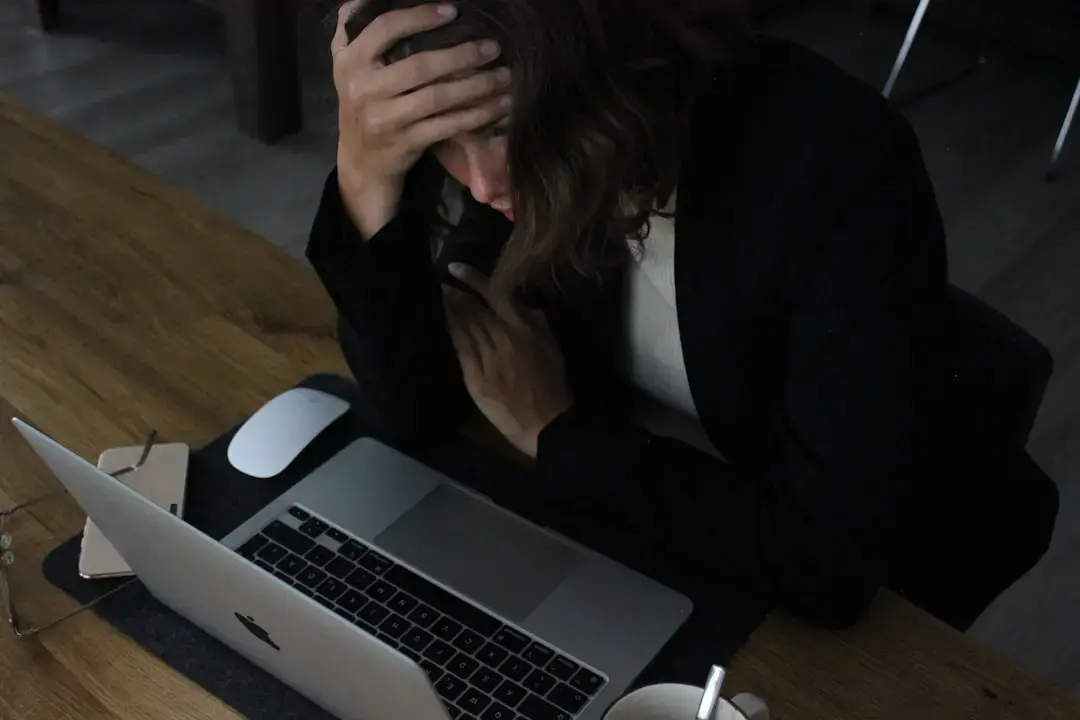
Stress is a common part of daily life, arising from work pressures, relationship challenges, financial worries, family duties, and sudden changes. These factors
Healing doesn’t just come from big moments — it is a process built up from small choices, day after day. As someone about to leave a treatment program, focusing

A new study published in Frontiers in Psychology examined how psychological capital—confidence, hope, resilience, and optimism—relates to dyadic coping among lu
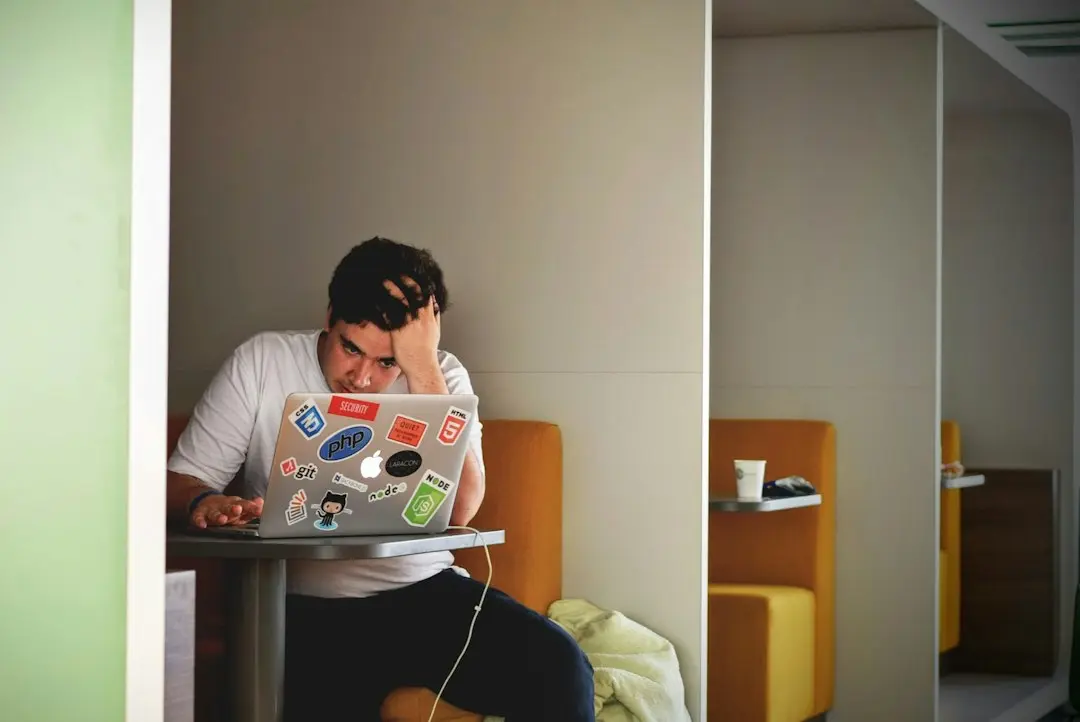
Constant phone calls, threatening letters and relentless reminders about unpaid bills dominate the lives of millions of Americans, creating a hidden crisis that
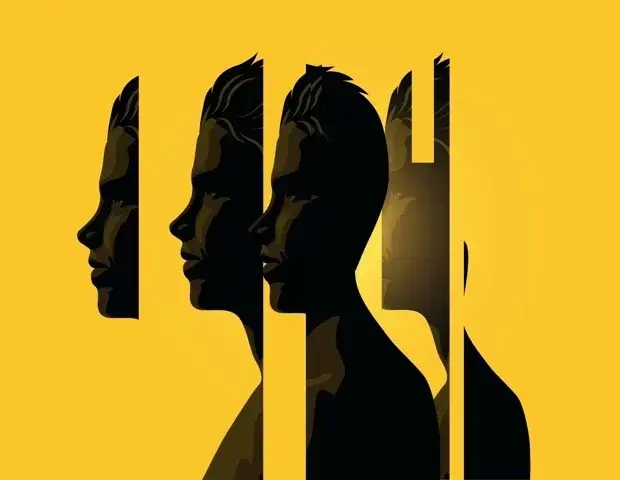
Vulnerable adolescents across the United Kingdom are increasingly unable to access essential mental health support, a recent University of Cambridge study revea

Feeling exhausted, on edge, and sad all at once can be deeply confusing. Many people struggle to name what they are experiencing, often wondering if they are de
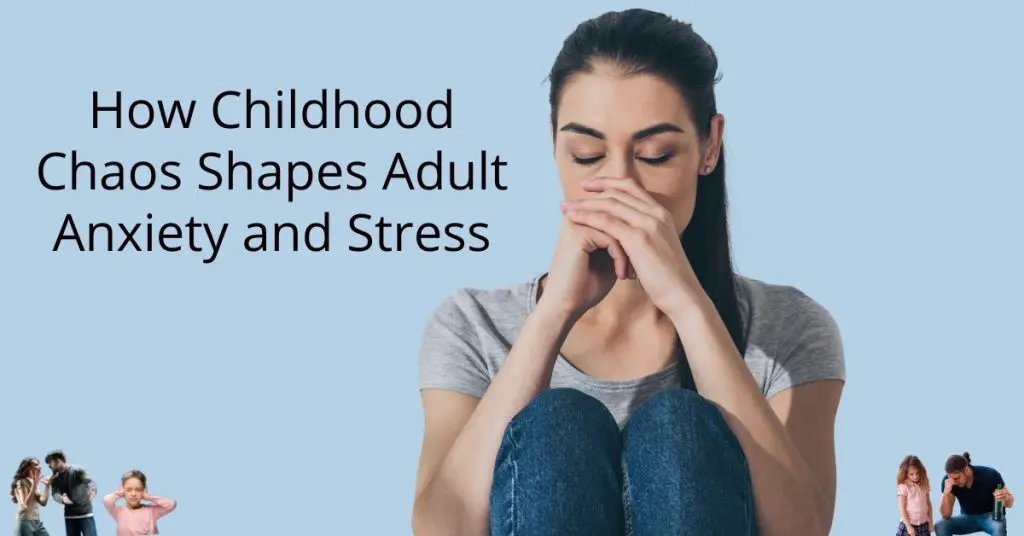
Growing up in an unpredictable or stressful home environment often means children learn to survive rather than thrive, adapting to constant tension without reco
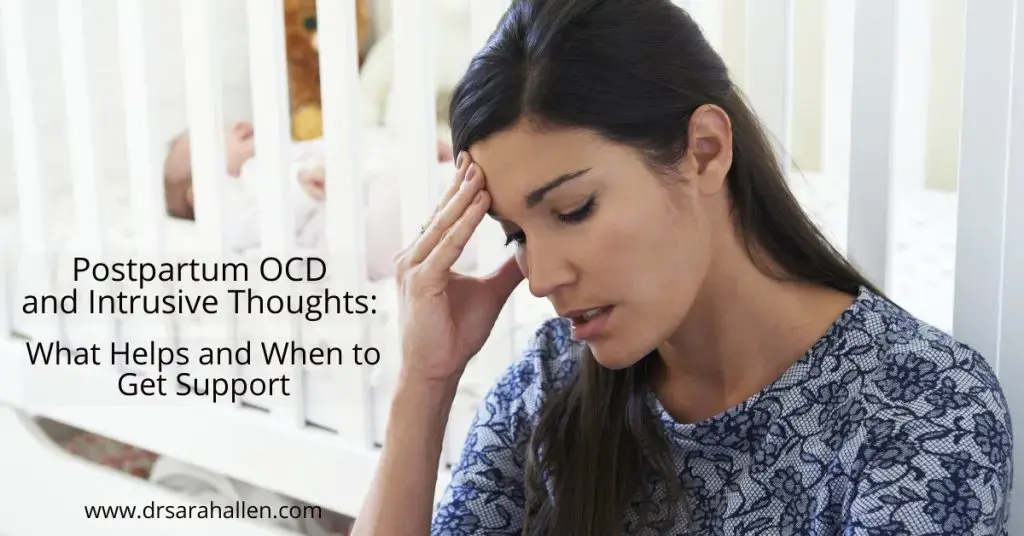
New mothers experiencing intrusive thoughts about harm coming to their babies often suffer in silence, fearing they are dangerous or unfit parents. These though
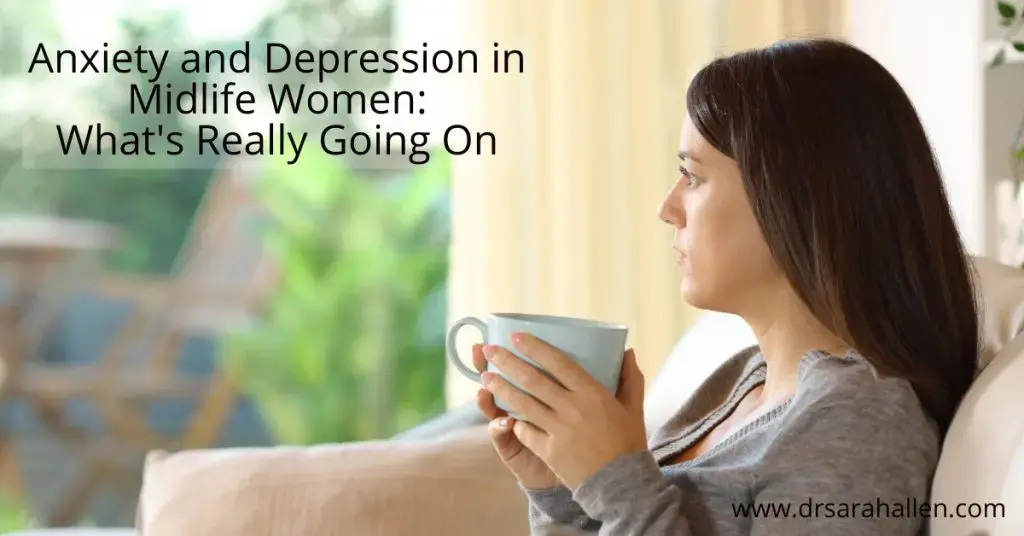
Thousands of women in their forties, fifties, and early sixties report feeling mentally heavier than anticipated during this life stage. Clinical practitioners

A new study shows that many mothers confuse postpartum depression with anxiety, leading to delayed care. Researchers examined over 2,000 women within the first

In 2024, researchers found that the way people engage with platforms like Instagram, TikTok, and Facebook determines mental health outcomes more than total scre