Gratitude Meditation: A Simple Practice for Modern Stress
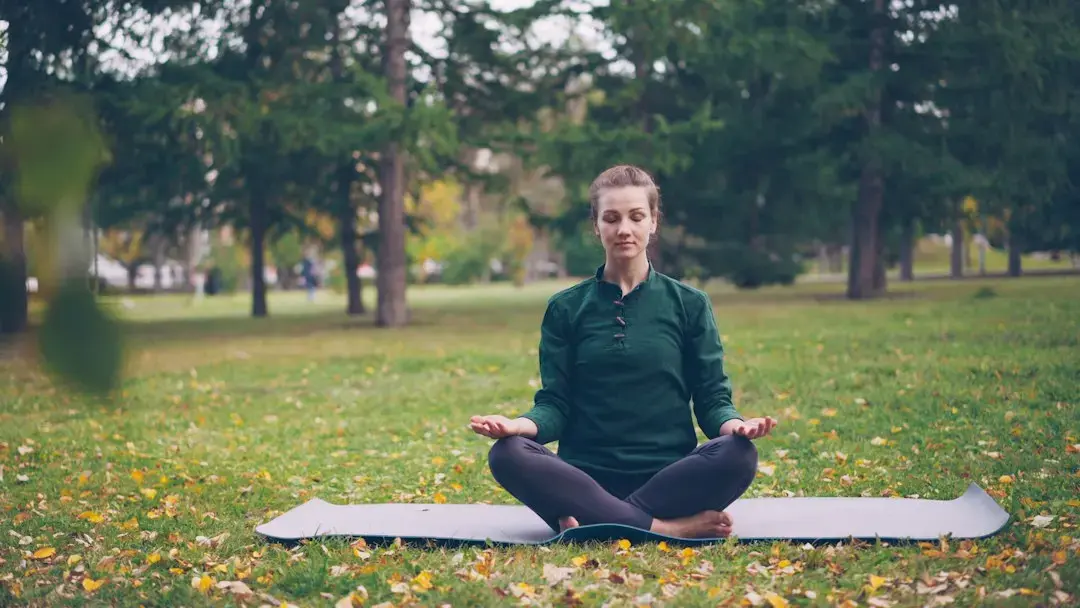
In today’s hyper‑connected world, people are juggling endless tasks and digital distractions. Many are turning to gratitude meditation, a focused form of mindfu
In today’s hyper‑connected world, people are juggling endless tasks and digital distractions. Many are turning to gratitude meditation, a focused form of mindfu

Researchers at Wake Forest University School of Medicine have identified key factors influencing cognitive decline. The team found that chronic stress and perce

A recent pilot study published in September 2026 suggests that how we interact with the outdoors is more important than just being there. Researchers found that

In homes and classrooms across the country, individuals with ADHD often face hidden struggles with anxiety that go unnoticed. The combination creates a silent o

Neuroscientists confirm that emotional abuse leaves lasting marks on the brain, yet recovery is possible. The mind possesses a remarkable ability to adapt and h

A recent study published in Frontiers in Psychology examined how following 24-hour movement behavior guidelines relates to mental health among university studen

A new study reveals that a short gratitude writing task can quickly improve emotional states and reduce physiological stress markers. Researchers found that par

Women with polyendocrine metabolic ovarian syndrome (PMOS), also known as polycystic ovary syndrome (PCOS), experience markedly higher rates of depression and a

Chinese students now face mandatory physical education assessments as a core component of high-stakes entrance examinations. This shift aims to boost national f

A cancer diagnosis often brings intense emotional challenges that affect patients and their families from the moment of discovery. Feelings of fear, anxiety, sa

A recent study published in Frontiers in Psychology on September 21, 2026, investigates the intricate link between excessive internet use and escalating academi

Researchers have found that psychopathy, Machiavellianism, and narcissism each connect differently to insecure attachment styles in adults, revealing nuanced li