Bridging the Gap Through Equine Connection
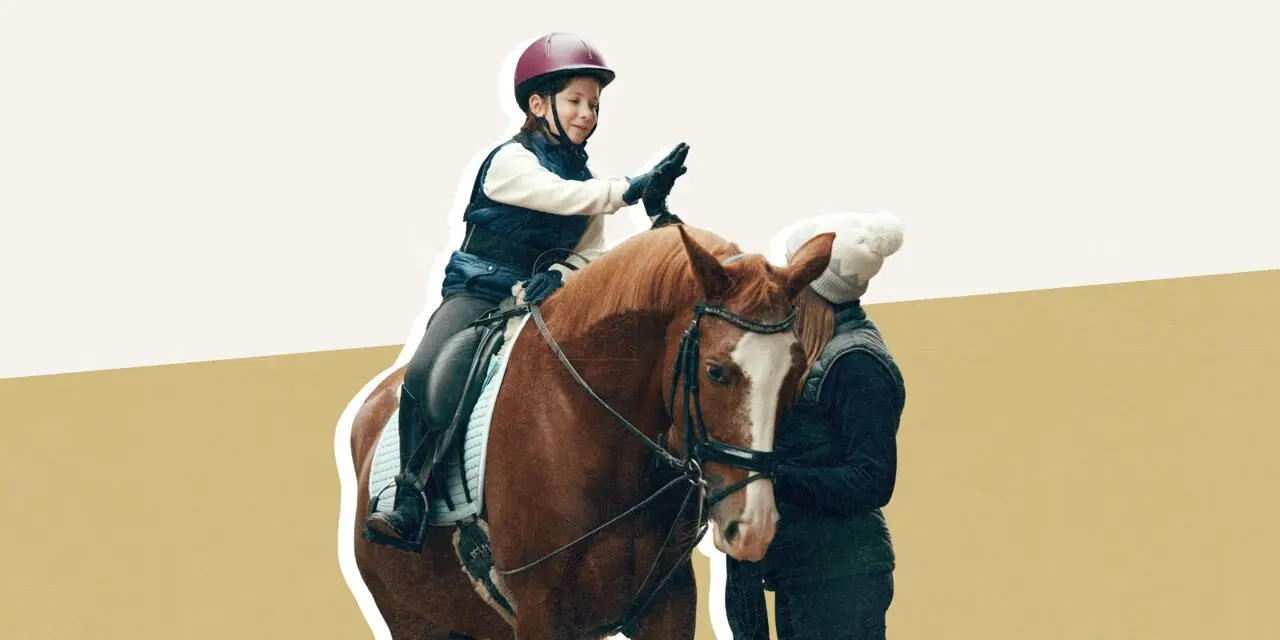
Researchers at the University of Colorado Anschutz recently published compelling evidence suggesting that interacting with horses can significantly benefit autistic adolescents. The study highlights how these specialized equine-based programs help young people manage behavioral challenges and emotional instability. This therapeutic approach offers a unique way for participants to build confidence and improve their social interactions in a controlled, supportive environment.
Wellness insights
 What Counselling in Two Different Countries Taught Me: Hansel Wong on Connection, Curiosity, and Culture
 Dr. LaNail Plummer Shares Insights on Starting Therapy
 GH001 Shows Rapid Relief for Postpartum Depression in Early Trial
 Coping with a Breast Cancer Diagnosis: How to Support Your Loved One
The study focused on the physiological and psychological shifts observed in youth during structured sessions with horses. Unlike traditional clinical settings, the presence of these animals encourages a calm, rhythmic engagement that helps regulate the nervous system. Experts believe the non-judgmental nature of horses allows participants to practice communication skills without the anxieties often associated with human-to-human social dynamics.
The therapeutic process relies heavily on the bond formed between the rider and the animal. As participants learn to handle and ride the horses, they must remain present and focused, which fosters mindfulness. This physical activity also promotes sensory integration, a common area of difficulty for many autistic individuals. By navigating the movements of the horse, youth can develop better body awareness and emotional control.
Can Animal-Assisted Programs Transform Mental Healthcare?
Data from the research indicates that these interactions lead to measurable improvements in daily functioning. Participants reported feeling more capable of handling stressful situations after completing their sessions. The structured yet outdoor nature of the program provides a refreshing alternative to standard office-based therapies. It allows for natural movement and tactile engagement that traditional methods often lack.
The success of these activities suggests that integrating animal-assisted therapy into broader mental health strategies could be highly effective. By providing a safe space for emotional expression, equine programs help youth bridge the gap between internal feelings and external behaviors. As more evidence emerges, these programs may become a standard recommendation for supporting the emotional development of neurodivergent youth.
Frequently Asked Questions
Future efforts will likely focus on standardizing these programs to ensure consistent results across different populations. Researchers are optimistic that continued investment in equine-assisted interventions will provide families with more accessible options for long-term behavioral support. This approach marks a significant step forward in personalized care for the autism community.
What are the primary benefits of equine therapy for autistic youth? Equine therapy helps youth improve emotional regulation, sensory integration, and social communication skills. The interaction with horses provides a grounding experience that reduces anxiety and promotes better behavioral control.
Is this therapy suitable for all autistic individuals? While research shows promising results, suitability depends on individual needs and comfort levels with animals. Professionals typically assess each participant to ensure the program aligns with their specific sensory and physical requirements.