Brain Reward Networks Show Unusual Hyper-Connectivity in Autism, Study Finds
Researchers have discovered that the brain's reward system in autistic individuals connects more strongly with social processing networks than previously unders
Researchers have discovered that the brain's reward system in autistic individuals connects more strongly with social processing networks than previously unders
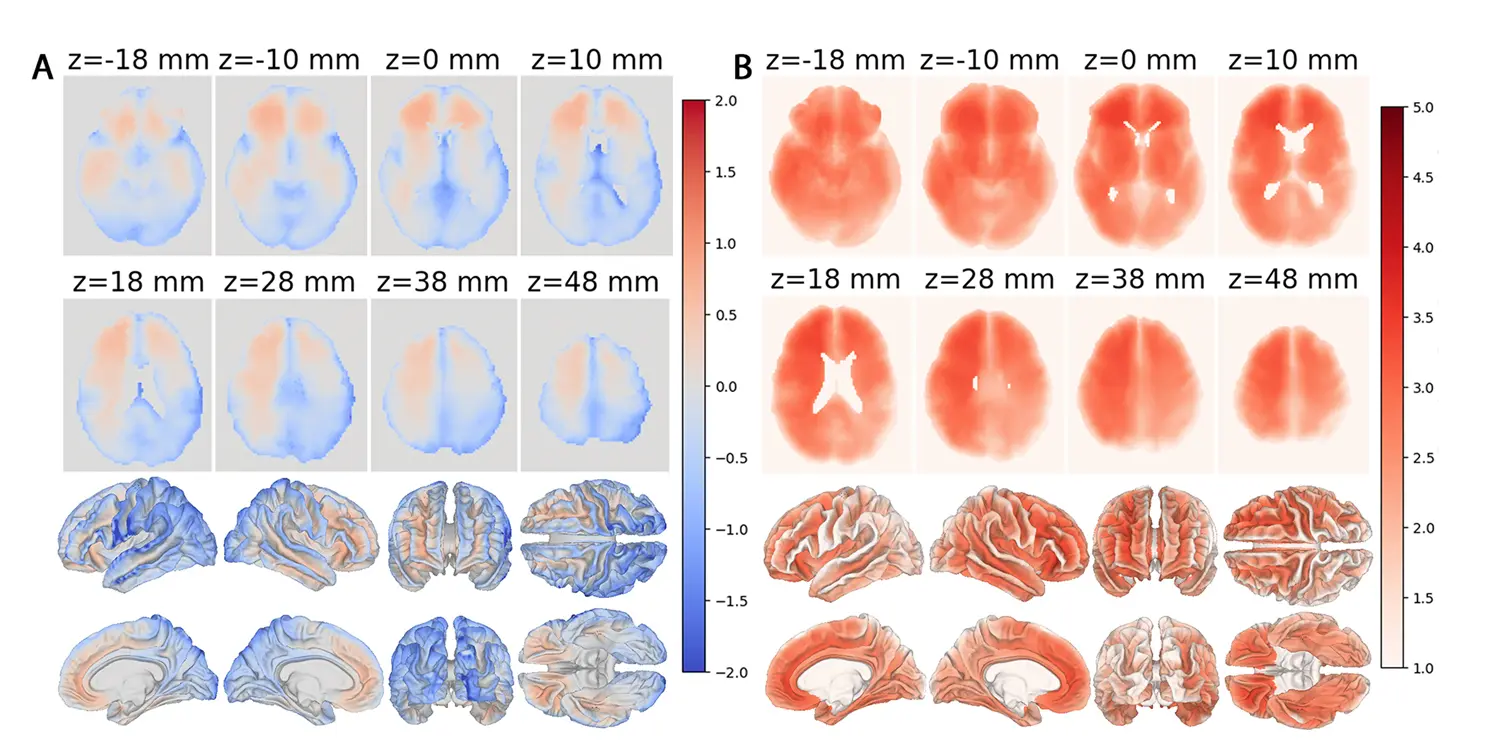
Researchers have unveiled a novel artificial intelligence tool that maps brain aging through detailed MRI analysis. Published in the Proceedings of the National

Walking to school, playing outside, or shopping can positively affect teens’ mental health. The research, based on a large U.S. sample, shows that simple daily

Researchers have published a new study in the journal Perspectives on Psychological Science. The findings challenge the common belief that cognitive function si
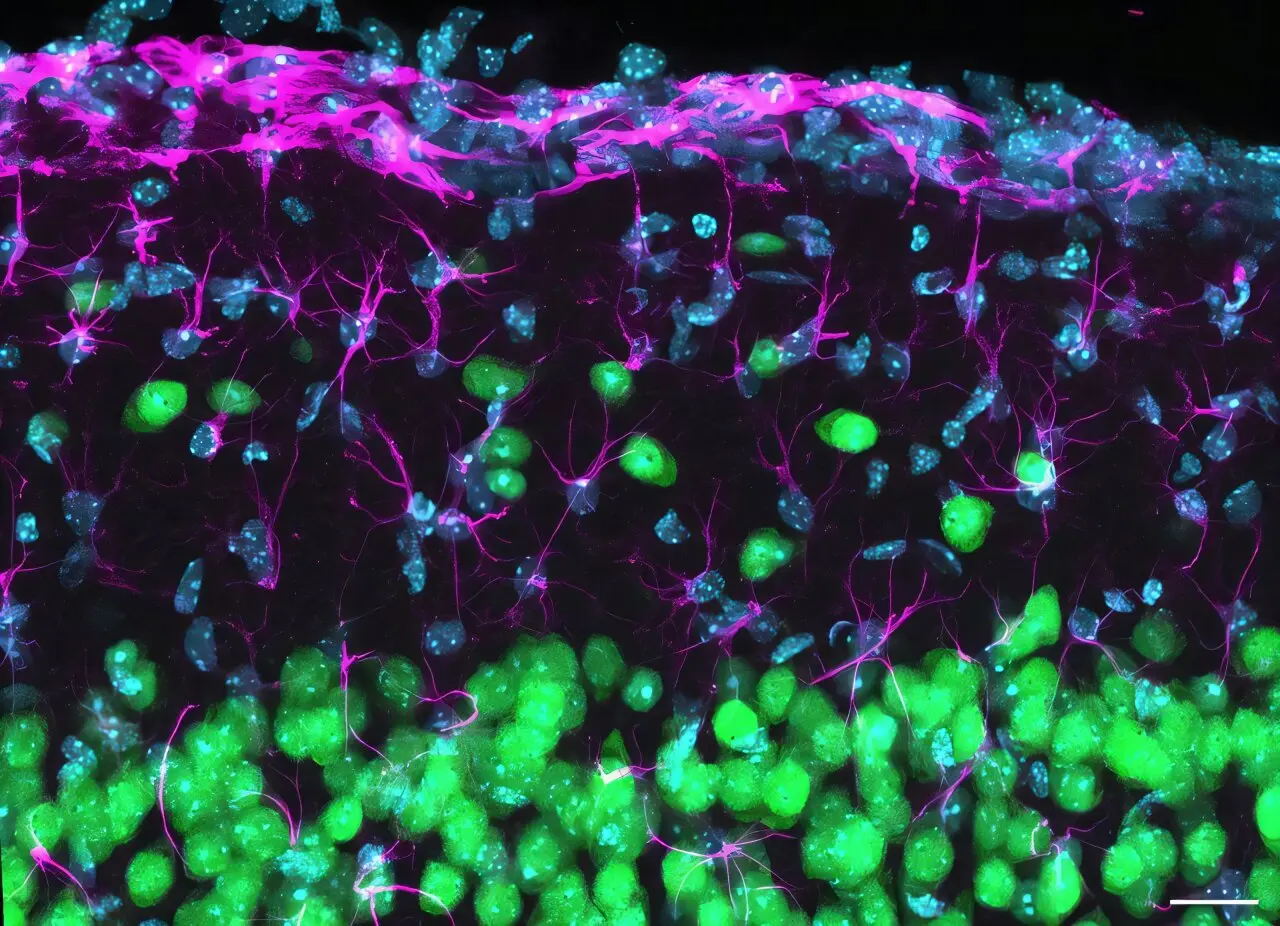
Researchers at the Max Planck Institute for Brain Research have identified a remote-control mechanism that allows the brain's outermost layer to coordinate sign

Researchers are reevaluating how alcohol affects the brain, questioning whether any amount is truly safe for long-term cognitive health. This inquiry coincides

People often try to build perfect wellness habits, but the ones that last are usually small and easy to restart. A new study shows that routines anchored to cle

Researchers at the University of Central Florida have launched a new study to understand how nicotine reshapes cellular energy systems in the brain. The team fo

Scientists at Tohoku University have found that the brain consumes more energy during REM sleep than when awake, despite an increased supply of glucose and oxyg

Preserving brain health is no longer just a vague hope. It is a reality backed by hard data. Recent neuroscience investigations confirm this shift. A large-scal

Researchers at Cold Spring Harbor Laboratory have identified a rapid neural mechanism that resolves conflicts within the visual cortex. This discovery, publishe

Scientists have found that removing a key protein called NSF from dopamine D2 receptor-expressing neurons in the striatum leads to ADHD-like symptoms in mice, i