Socioeconomic Barriers Exacerbate Psychological Risks
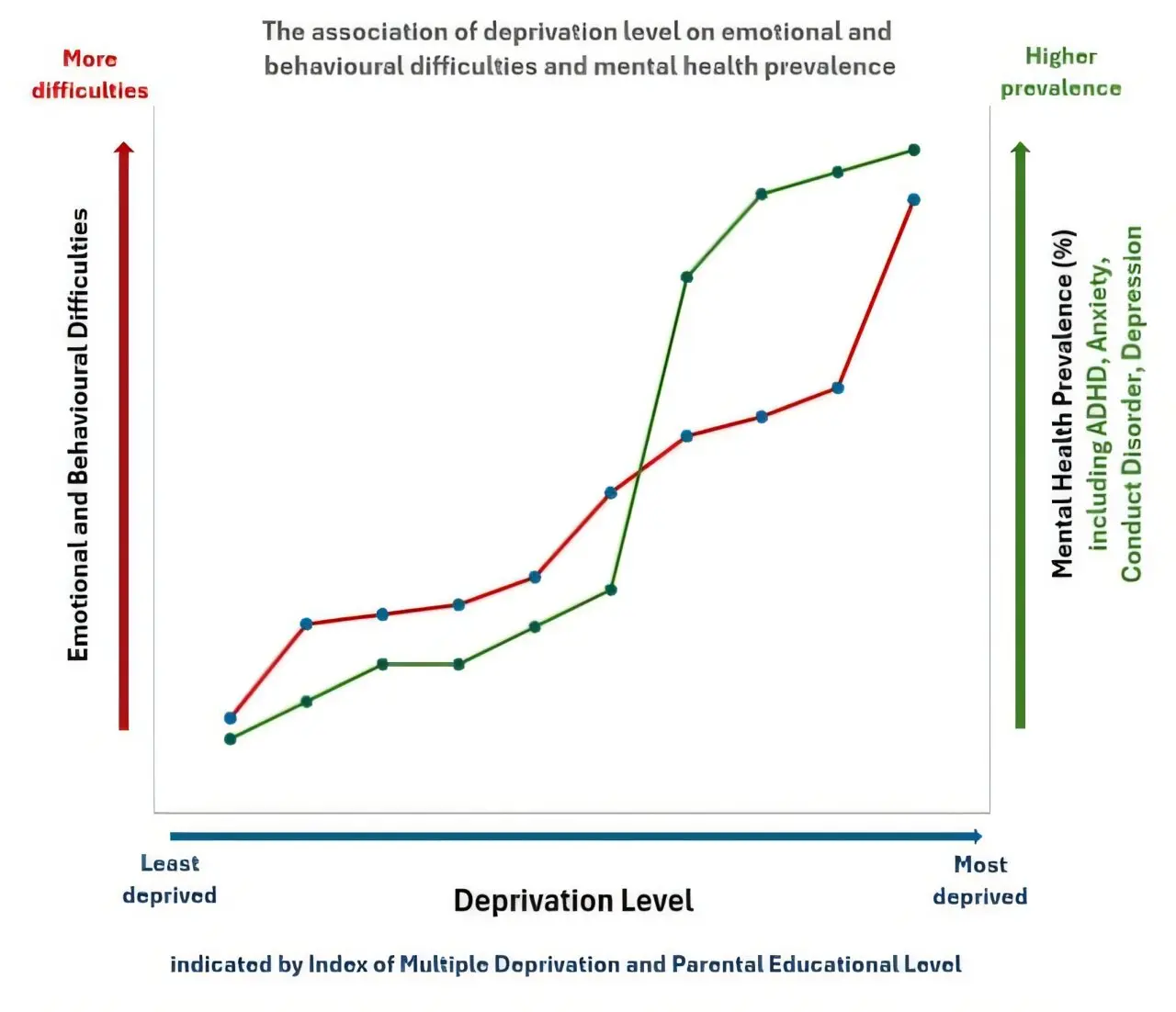
Researchers have identified a critical link between socioeconomic disadvantage and mental health outcomes for children with intellectual disabilities. This new analysis highlights how financial and social barriers compound existing challenges for this specific demographic. The findings suggest that poverty significantly worsens psychological well-being in young people who already navigate complex developmental needs.
Wellness insights
 What Counselling in Two Different Countries Taught Me: Hansel Wong on Connection, Curiosity, and Culture
 Dr. LaNail Plummer Shares Insights on Starting Therapy
 GH001 Shows Rapid Relief for Postpartum Depression in Early Trial
 Coping with a Breast Cancer Diagnosis: How to Support Your Loved One
The study focuses on the intersection of economic status and cognitive development. Children from lower-income households often lack access to consistent therapeutic support. This gap creates a cycle where mental health issues go undetected or untreated for extended periods. The researchers examined data to understand how these factors interact within the broader healthcare system. Their work aims to provide a clearer picture of the risks faced by these vulnerable populations.
Data from the investigation reveals a stark disparity in mental health diagnoses. Children with intellectual disabilities from disadvantaged backgrounds show higher rates of anxiety and depression. These symptoms frequently manifest earlier in childhood compared to their wealthier peers. The study indicates that limited resources hinder early intervention efforts. Families struggle to afford specialized care, leading to delayed treatment plans. Consequently, minor behavioral issues escalate into significant clinical disorders over time.
Does Financial Status Predict Long-Term Outcomes?
The mechanism behind this trend involves restricted access to community services. Low-income areas often have fewer specialists available per capita. Parents report difficulty navigating appointment systems and insurance coverage. This administrative burden adds stress to households already managing daily care responsibilities. The cumulative effect places immense pressure on both the child and the family unit.
Experts note that the correlation between income and health is not merely statistical. It reflects a systemic failure to support diverse needs equally. The research suggests that financial stability acts as a buffer against mental health decline. When families have adequate funds, they can secure regular counseling sessions. They can also purchase assistive technologies that improve communication skills. Better communication reduces frustration, which is a primary trigger for emotional outbursts. Without these tools, children remain isolated in their struggles.
Frequently Asked Questions
The study emphasizes that intellectual disability itself does not guarantee poor mental health. Rather, it is the combination of disability and disadvantage that creates the highest risk. This distinction is crucial for policymakers designing new support frameworks. It shifts the focus from treating the disability alone to addressing the environment surrounding the child.
Does this study apply to all children with intellectual disabilities? No, the findings specifically highlight those from disadvantaged backgrounds. Children from higher-income families showed lower rates of mental health complications. The study isolates socioeconomic factors as a key variable.
How can families mitigate these risks? Accessing early intervention programs is essential. Families should seek out community resources designed for low-income households. Early detection of anxiety or depression allows for timely therapeutic support.