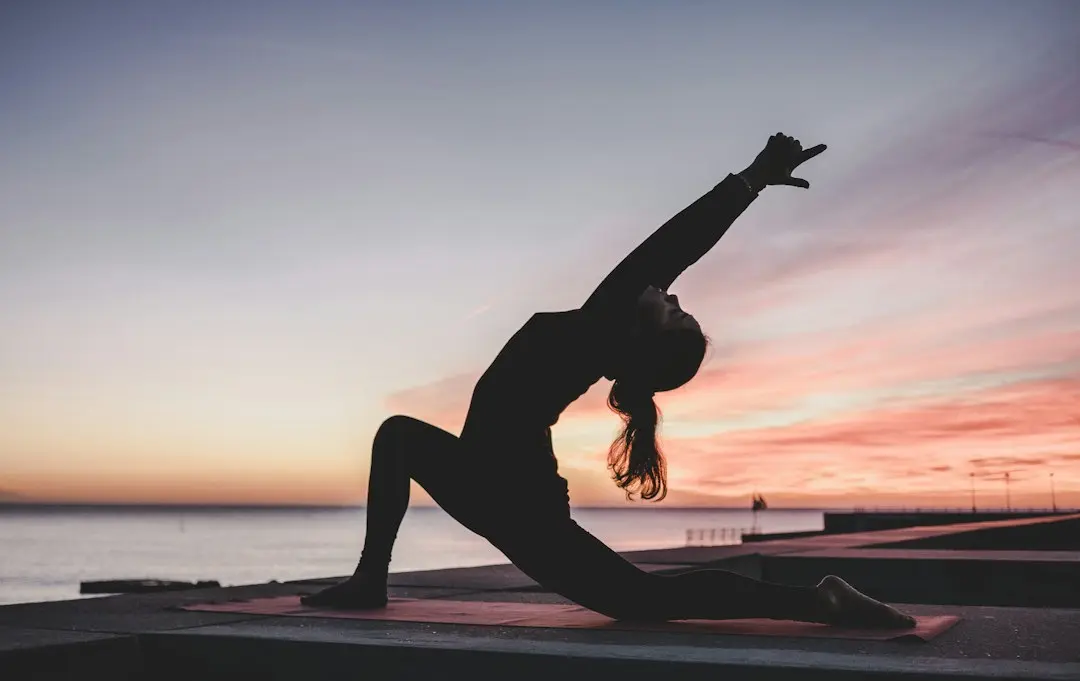
The Core Sequence: Building Flexibility From the Ground Up
Calin Van Paris, a certified yoga instructor and editor, shared her routine on October 6, 2026. She demonstrated five postures designed to increase mobility across the entire body, emphasizing gentle stretching over forcing movements. The session was recorded for a wellness blog and aims to help practitioners of all levels move with greater ease in daily life.
Wellness insights
 What Counselling in Two Different Countries Taught Me: Hansel Wong on Connection, Curiosity, and Culture
 Dr. LaNail Plummer Shares Insights on Starting Therapy
 GH001 Shows Rapid Relief for Postpartum Depression in Early Trial
 Coping with a Breast Cancer Diagnosis: How to Support Your Loved One
Van Paris explained that regular yoga practice can loosen tight muscles, improve joint range, and reduce the risk of injury. She chose each pose for its ability to target multiple muscle groups simultaneously, allowing a balanced stretch without overloading any single area. By focusing on breath and alignment, practitioners can deepen flexibility safely.
The first pose, a modified Child’s Pose, invites the spine to lengthen while releasing tension in the hips and shoulders. Van Paris advises holding the position for at least thirty seconds, breathing deeply to encourage muscle relaxation. Next, she transitions to a Low Lunge with a twist, which opens the hip flexors and engages the thoracic spine. The twist adds a rotational element that promotes spinal mobility, a key factor in overall flexibility.
Can Beginners Safely Try These Advanced‑Feeling Poses?
The third posture, a seated Forward Fold, stretches the hamstrings and lower back. Van Paris cautions against rounding the back aggressively; instead, she recommends hinging at the hips and keeping the spine long. The fourth pose, a supine Figure‑Four, targets the glutes and piriformis, relieving common sources of lower‑back strain. Finally, she demonstrates a Reclined Spinal Twist, which gently rotates the entire torso and finishes the sequence with a calming release. Each pose is held for 45 seconds to a minute, allowing the muscles to adapt gradually.
Van Paris stresses that the sequence is adaptable for newcomers. Props such as yoga blocks, bolsters, or folded blankets can modify the depth of each stretch, ensuring comfort and safety. She notes that consistency matters more than intensity; practicing the series three times a week yields noticeable improvements within a month. Moreover, listening to the body’s signals prevents the common pitfall of „stretching into pain,” which can cause micro‑tears rather than flexibility gains.
By integrating these five poses into a regular routine, practitioners can expect smoother movement in everyday tasks—from reaching for objects on high shelves to bending down without strain. Over time, increased flexibility may also support better posture, enhanced circulation, and reduced stress levels, reinforcing the mind‑body connection central to yoga practice.
Frequently Asked Questions
How often should I perform this sequence? Aim for three sessions per week, allowing at least a day of rest between to let muscles recover and adapt.
Do I need special equipment? No special gear is required, but a yoga mat and optional props like blocks or blankets can make the poses more accessible.
What if I feel pain during a stretch? Discomfort is normal, but sharp or lingering pain signals you should ease out of the pose, adjust your alignment, or use props for support.