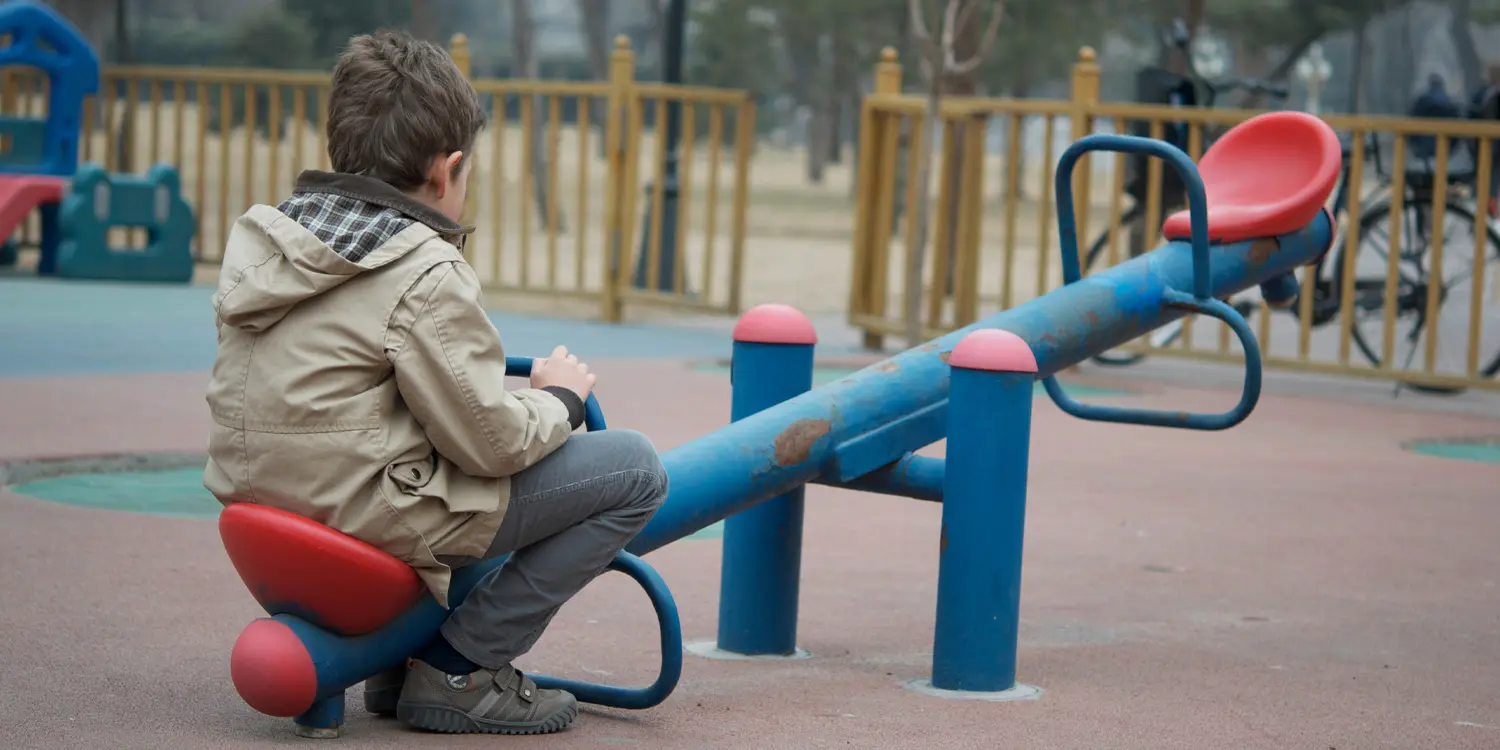
Loneliness Is Not a Social Alarm
A six‑year study published in the journal Development and Psychopathology examined how feelings of isolation in childhood affect people when they reach adulthood. Researchers followed more than 1,200 participants from early school years into their late twenties. The work was conducted in the United States and began in 2014, concluding in 2020. It aimed to test whether loneliness serves as a warning that helps children seek social connections later.
Wellness insights
 What Counselling in Two Different Countries Taught Me: Hansel Wong on Connection, Curiosity, and Culture
 Dr. LaNail Plummer Shares Insights on Starting Therapy
 GH001 Shows Rapid Relief for Postpartum Depression in Early Trial
 Coping with a Breast Cancer Diagnosis: How to Support Your Loved One
The researchers found that loneliness in childhood does not prompt children to grow closer to peers as they grow older. Instead, those who reported feeling isolated early on were more likely to experience a range of problems in adulthood. These included higher rates of depression, anxiety, and substance use. They also faced lower educational attainment and reduced earnings compared to peers who were less lonely.
What Can Parents and Educators Do?
The study’s authors argue that loneliness should not be viewed as a useful signal. In many cases, lonely children do not change their behavior to seek help. Instead, their sense of isolation becomes a persistent risk factor for later difficulties. The data showed that loneliness and social isolation are separate but related predictors. Even after controlling for family background and early academic performance, loneliness remained a significant predictor of mental health issues. The researchers suggest that early interventions should focus on building supportive relationships rather than simply reducing loneliness.
Frequently Asked Questions
Parents can help by encouraging positive peer interactions. Schools can implement programs that promote cooperative learning and mentorship. Teachers should be trained to recognize signs of isolation and intervene early. The study recommends regular screening for loneliness in elementary and middle schools. By addressing the problem before it becomes entrenched, it may be possible to reduce the long‑term costs identified in the research.
The long‑term consequences of childhood loneliness are substantial. Adults who were lonely as children are more likely to feel disconnected from others, report lower life satisfaction, and face financial instability. These findings suggest that the social and economic burden of early isolation extends far beyond adolescence. Policymakers and mental‑health professionals should consider these results when designing preventive strategies.