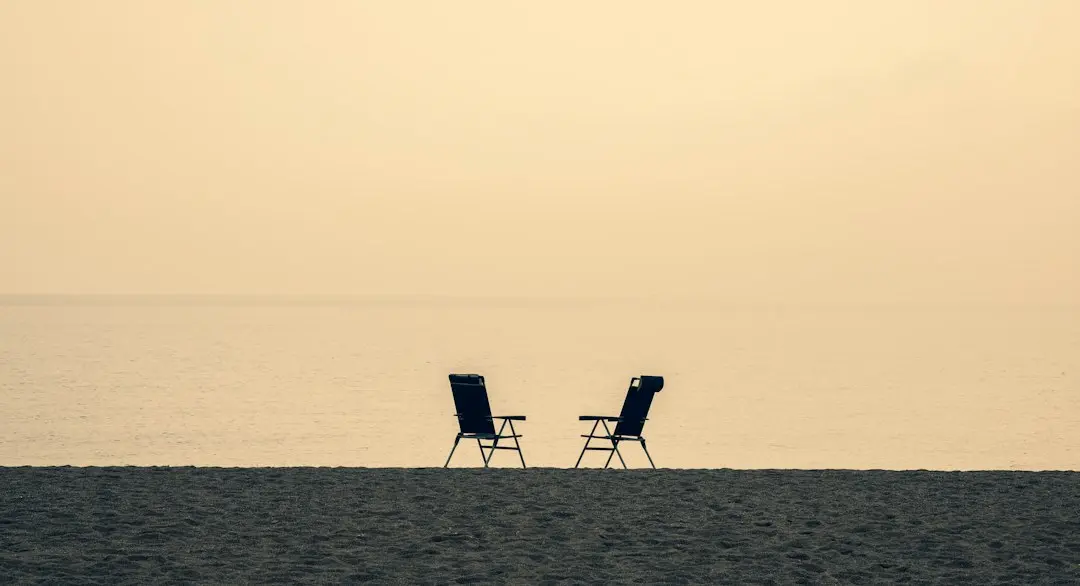
Each chair becomes a focal point for remembrance, sometimes accompanied by
Dean Perryman placed an empty chair in a public park in Manchester last autumn to honour his friend Rob Clancy, who died by suicide. The simple act sparked conversations about grief and mental health, drawing others to leave their own chairs as tributes. What began as a personal memorial has grown into a quiet movement across northern England, with over 50 chairs now placed in parks, gardens, and community spaces. The Empty Chair Project encourages people to sit with their memories and share stories without pressure. Perryman says the chairs offer a physical space to acknowledge loss, especially for men who often struggle to talk about emotions. Local councils have supported the initiative, providing permission for installations and helping maintain the sites.
Wellness insights
 What Counselling in Two Different Countries Taught Me: Hansel Wong on Connection, Curiosity, and Culture
 Dr. LaNail Plummer Shares Insights on Starting Therapy
 GH001 Shows Rapid Relief for Postpartum Depression in Early Trial
 Coping with a Breast Cancer Diagnosis: How to Support Your Loved One
Each chair becomes a focal point for remembrance, sometimes accompanied by notes, flowers, or personal items left by visitors. How Does an Empty Chair Spark Conversation Perryman explains that the chair’s simplicity invites curiosity, leading strangers to ask about its meaning. This opens doors to discussions about suicide prevention and emotional wellbeing. Volunteers now accompany some installations to offer listening ears and signpost to mental health services. The project avoids formal counselling but creates informal opportunities for connection, particularly in areas where traditional services feel inaccessible or stigmatised. What Happens When Grief Finds a Place Participants report feeling less isolated after engaging with the chairs, noting that seeing others’ tributes validates their own pain. The project has partnered with charities like Samaritans to distribute information discreetly near sites.
While not a replacement for professional care, organisers say the chairs reduce barriers to seeking help by normalising conversations around mental health.
Plans are underway to expand the project to schools and workplaces
Plans are underway to expand the project to schools and workplaces, adapting the concept for younger audiences and workplace wellbeing initiatives. Frequently Asked Questions How can someone get involved with the Empty Chair Project? People can contact Dean Perryman through the project’s social media pages to request guidance on placing a chair in their community. The team provides advice on locations, permissions, and respectful ways to maintain the site. They also welcome volunteers to help monitor installations and share resources. Is the project affiliated with any mental health organisations? The Empty Chair Project collaborates with groups like Samaritans and Mind for resource sharing but operates independently. Perryman stresses that the chairs are not a substitute for professional support but serve as a complementary tool to encourage openness. All signage near chairs includes helpline numbers and local service details. What happens to the chairs after they are placed?
Chairs remain in place for as long as the community wishes, often becoming permanent fixtures. If removed due to weather or space concerns, organisers work with locals to relocate or replace them. Some sites have evolved into small memorial gardens, with benches or plaques added over time to honour multiple individuals.