From Bench to Policy: How Geroscience Shapes EU Health Goals
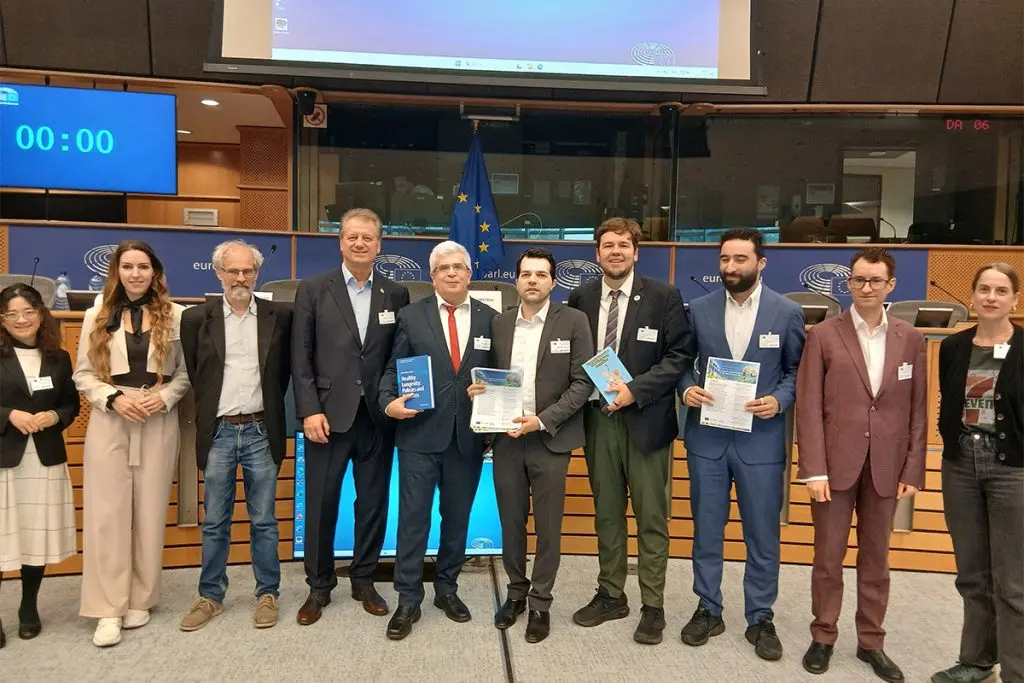
The European Parliament convened a session on October 1 to champion a coordinated approach to geroscience, preventive care, and healthy aging. Delegates, scientists, and policy makers gathered in Brussels to discuss how the EU can accelerate research that targets the biology of ageing and improve population health.
Wellness insights
 What Counselling in Two Different Countries Taught Me: Hansel Wong on Connection, Curiosity, and Culture
 Dr. LaNail Plummer Shares Insights on Starting Therapy
 GH001 Shows Rapid Relief for Postpartum Depression in Early Trial
 Coping with a Breast Cancer Diagnosis: How to Support Your Loved One
The meeting followed the Commission’s recent „Longevity Strategy” proposal, which calls for increased funding for ageing research, better data sharing, and stronger collaboration between member states. Parliamentarians emphasized the need for a pan‑European framework that aligns public health initiatives with cutting‑edge scientific discoveries, aiming to reduce the burden of age‑related diseases and extend healthy life expectancy.
Geroscience, the study of the biological mechanisms that drive ageing, has gained traction as a potential key to preventing chronic conditions such as heart disease, diabetes, and neurodegeneration. During the session, a panel of researchers highlighted breakthroughs in senescence‑targeting drugs and biomarkers that could predict ageing trajectories. One scientist noted that early‑stage trials of senolytics have shown promise in restoring tissue function in mice, suggesting a future where such therapies could delay multiple age‑related illnesses simultaneously.
Will the Strategy Reduce Health Inequalities Across Europe?
Commission officials explained that the strategy will allocate €2 billion over the next decade to support interdisciplinary projects, with a focus on translational research that can move from laboratory to clinical settings. They also announced plans to create a European Ageing Data Hub, designed to standardise data collection across countries and facilitate cross‑border studies. By pooling resources, the EU hopes to overcome the fragmented nature of current ageing research, which often operates in isolated national silos.
The policy’s proponents argue that a coordinated approach will help level disparities in health outcomes between richer and poorer member states. A member of Parliament raised concerns about access to emerging longevity therapies, questioning whether they will be available to all citizens or only to those in wealthier regions. The Commission responded that the strategy includes provisions for equitable distribution, such as subsidised clinical trials and public‑private partnerships aimed at scaling up production of promising treatments.
Experts also pointed out that preventive healthcare measures—like widespread screening for age‑related biomarkers—could be implemented more uniformly across the EU, potentially catching diseases earlier and reducing long‑term costs. The strategy’s emphasis on lifestyle interventions, including nutrition and physical activity, aligns with existing public health campaigns, but the Parliament session underscored the importance of integrating these efforts with scientific research to maximise impact.
The outcome of the conference signals a shift in European policy toward a proactive stance on ageing. By aligning scientific research with public health objectives, the EU aims to extend not just lifespan but healthspan, ensuring that citizens can enjoy longer, healthier lives. The next steps involve drafting detailed legislative proposals, securing funding, and establishing the Ageing Data Hub, with the expectation that tangible benefits will begin to materialise within the next five years.
Frequently Asked Questions
What is geroscience and why is it important for the EU? Geroscience studies the biological processes of ageing. It is vital because targeting these mechanisms could prevent or delay multiple age‑related diseases, reducing healthcare costs and improving quality of life.
How will the EU ensure equitable access to longevity therapies? The strategy includes funding for public‑private partnerships, subsidised clinical trials, and a framework for distributing new treatments across all member states, aiming to avoid disparities between richer and poorer regions.
When can we expect the European Ageing Data Hub to become operational? The Commission plans to launch the hub within the next two years, providing a shared platform for researchers and policymakers to access and analyse ageing data across the EU.