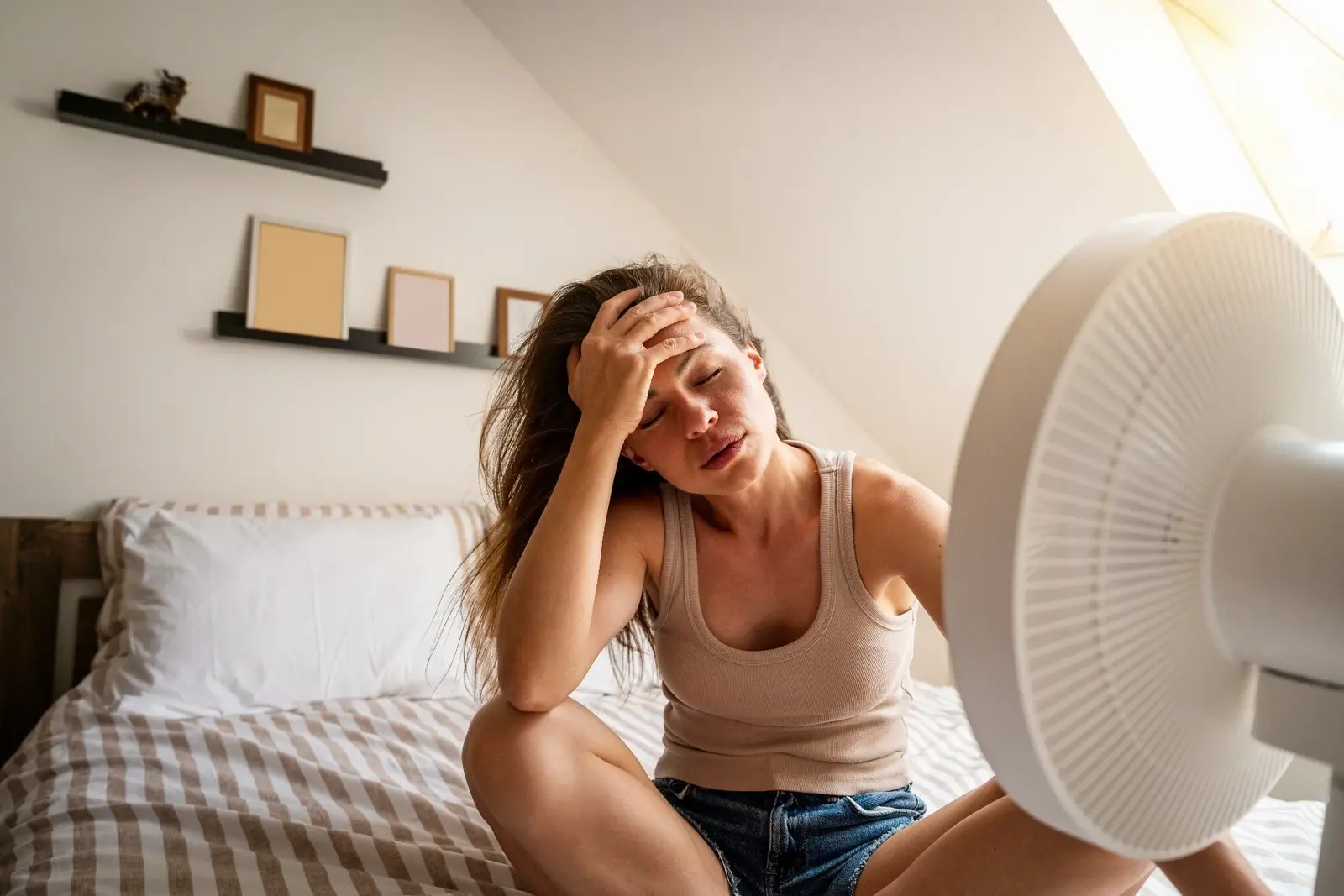
Understanding the Biological Toll of Warm Nights
Researchers revealed that elevated temperatures severely impact human well-being, altering sleep quality and raising anxiety levels among young adults. Controlled experiments demonstrated that exposure to thermal stress during the night triggers distinct biological responses linked to mental health and brain function compared to daytime warmth.
Wellness insights
 What Counselling in Two Different Countries Taught Me: Hansel Wong on Connection, Curiosity, and Culture
 Dr. LaNail Plummer Shares Insights on Starting Therapy
 GH001 Shows Rapid Relief for Postpartum Depression in Early Trial
 Coping with a Breast Cancer Diagnosis: How to Support Your Loved One
The investigation examined how thermal stress influences psychological states and physiological markers in healthy participants. Scientists discovered that while daytime heat exposure causes immediate, short-term spikes in anxiety, nighttime warmth creates much broader disruptions. These nocturnal temperature spikes interfere with deep rest and alter numerous biological indicators associated with chronic stress.
Can Modern Society Adapt to Rising Thermal Pressures?
Sleep disruption remains a primary consequence of elevated nocturnal temperatures, preventing the body from completing necessary recovery cycles. Without proper cooling during rest periods, stress hormone production increases significantly. This continuous nocturnal strain affects neurological health and diminishes overall cognitive resilience over time.
Young adults exposed to these experimental conditions reported heightened feelings of nervousness and distress. The physiological data confirmed that the body struggles to regulate itself under sustained thermal pressure. Researchers emphasize that these combined physical and mental strains pose hidden risks to long-term health.
Frequently Asked Questions
Mitigating these hidden health hazards requires urgent updates to urban housing designs and personal cooling strategies. As global temperatures continue to climb, protecting nighttime recovery environments becomes essential for mental stability and neurological preservation. Future public health campaigns must prioritize nocturnal cooling solutions to safeguard vulnerable populations.
Q: Who participated in this recent thermal study? A: The research focused on young adults subjected to controlled heat exposure.