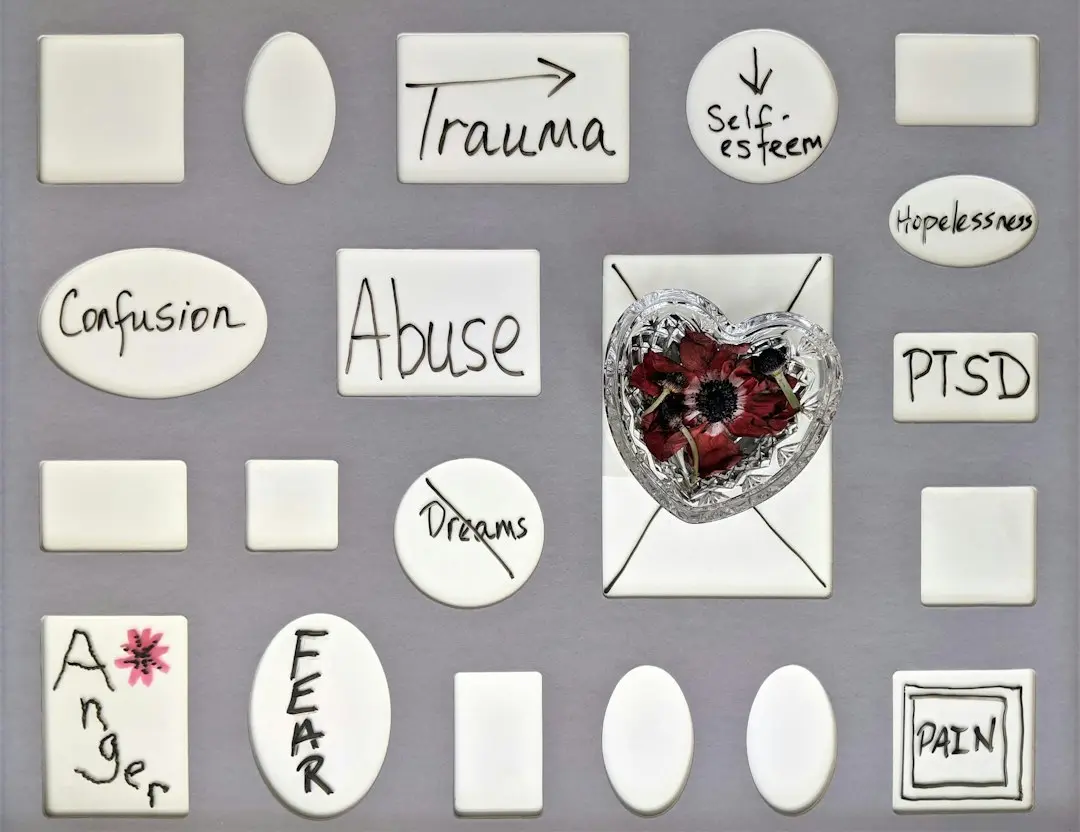
The Hidden Trauma of Translating Pain
A new study published in October 2026 examines the psychological distress experienced by language interpreters working in psychotherapy sessions. Researchers tracked professional interpreters over a one-year period to measure the mental health impacts of bridging communication during complex psychological treatments. The findings highlight significant occupational hazards when translating sensitive emotional content for vulnerable patients.
Wellness insights
 What Counselling in Two Different Countries Taught Me: Hansel Wong on Connection, Curiosity, and Culture
 Dr. LaNail Plummer Shares Insights on Starting Therapy
 GH001 Shows Rapid Relief for Postpartum Depression in Early Trial
 Coping with a Breast Cancer Diagnosis: How to Support Your Loved One
Interpreting for mental health sessions requires profound linguistic accuracy and deep emotional engagement. Professionals often find themselves absorbing distressing narratives without the psychological training typically provided to clinical therapists. This dynamic creates unique professional vulnerabilities, particularly during sessions involving severe trauma, grief, or displacement issues.
Can Clinical Systems Better Protect Interpreters?
The year-long observation revealed that interpreters face cumulative stress from repeatedly processing harrowing personal histories. Unlike the primary clinicians, these language facilitators often lack formal debriefing structures or institutional mental health support. Consequently, many report symptoms mirroring secondary traumatic stress, emotional exhaustion, and burnout over time.
The psychological burden intensifies when patients describe experiences involving violence, torture, or severe loss. Interpreters must maintain neutral tones while internally processing graphic and distressing testimonies. This constant suppression of natural emotional reactions contributes heavily to long-term psychological strain and occupational fatigue.
Healthcare providers must urgently reassess how mental health facilities integrate interpreters into therapeutic teams. Without routine supervision and protective institutional policies, these professionals remain highly vulnerable to severe occupational distress. Implementing mandatory support systems could safeguard the mental well-being of essential linguistic staff.
Frequently Asked Questions
Future therapeutic frameworks need to treat interpreters as vital members of the clinical care team rather than neutral background tools. Providing accessible psychological debriefing and adequate training will improve retention and overall safety. Addressing these systemic gaps is crucial for maintaining effective cross-cultural mental health services.
Q: Who participated in the one-year follow-up study? A: Professional language interpreters who regularly facilitate communication in psychotherapy sessions were tracked for the research.