
ADHD Masking: A Hidden Mental Health Cost
Researchers have found that adults with Attention-Deficit/Hyperactivity Disorder (ADHD) often engage in „masking” behaviors. This involves consciously hiding sy
Researchers have found that adults with Attention-Deficit/Hyperactivity Disorder (ADHD) often engage in „masking” behaviors. This involves consciously hiding sy

A new study reveals the deep emotional and professional wounds experienced by doctors after patient safety incidents. Researchers interviewed physicians to unde

A new study reveals a strong connection between outdoor playtime during early childhood and improved mental health years later. Researchers focused on children
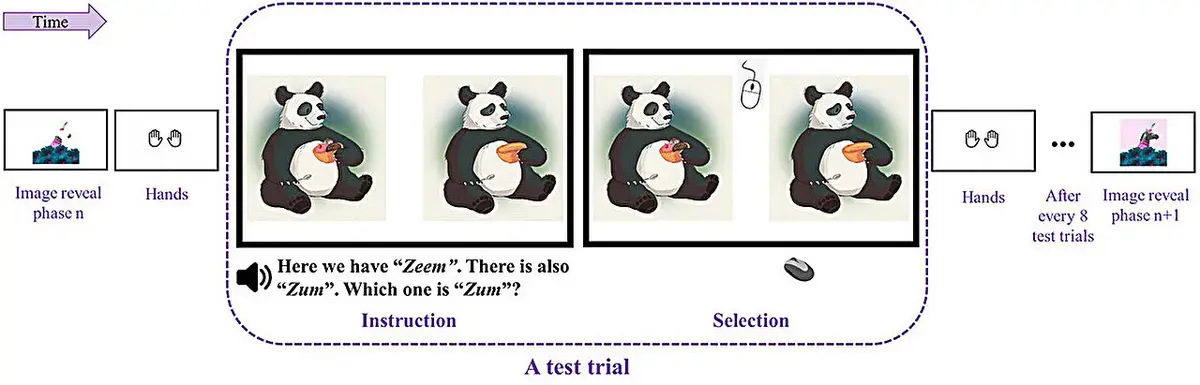
A study shows children as young as five recognize emotional signals in words like „tick-tock” and „screech.” The research, conducted at Arizona State University

Researchers analyzed over 50 studies to understand the connection between spirituality and substance use. The studies covered various substances, including alco

Researchers have discovered that watching unusual films can instantly enhance creative thinking. This phenomenon occurs when the mind is opened up by the unconv

In India, discussing mental health remains uncomfortable for many families. Even physicians, who spend long hours caring for patients, often conceal anxiety, de

Jane Francis’s recent Medium piece outlines six core emotional connections that move a man from casual interest to lasting attachment. The article, published th

University of Exeter researchers have found a link between outdoor play and reduced mental health risks in children. The study, published in the Journal of Chil

Families often struggle to cope with life's challenges, leading to strained relationships and emotional distress. When tensions rise, seeking professional help

Many adults struggling with undiagnosed ADHD often adopt defensive personas to navigate daily life. These identities, ranging from the disruptive class clown to

People-pleasers often struggle to set boundaries, sacrificing their own needs to satisfy others. This behavior can stem from low self-esteem or a deep-seated ne