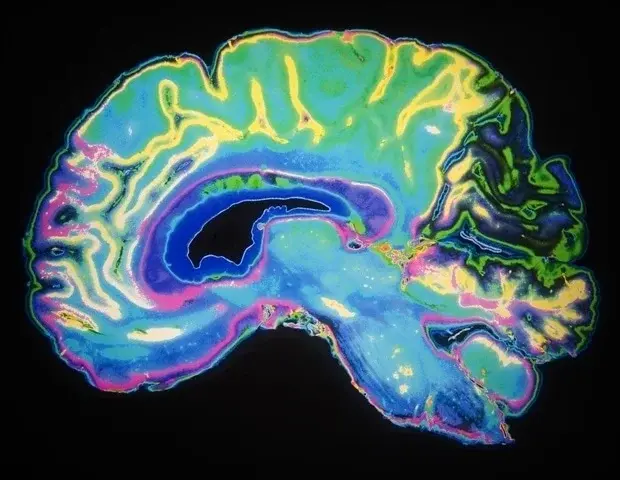
KAIST Study Reveals Brain's Movement Processing Varies With Depression Severity
Researchers at the Korea Advanced Institute of Science and Technology have found that brain activity during specific body movements changes based on an individu
Researchers at the Korea Advanced Institute of Science and Technology have found that brain activity during specific body movements changes based on an individu
A growing body of evidence shows that adjustment disorder, a psychiatric condition triggered by major life stressors, frequently slips through the cracks in onc
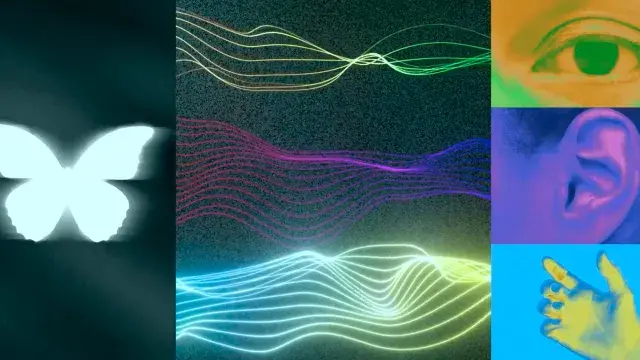
What is reality? This question has puzzled philosophers, scientists, and everyday people for centuries. Is reality something fixed and objective, existing indep

Researchers at the University of Oslo have uncovered a profound link between Sigmund Freud’s early theories and current neuroscience. Published in October 2026,

Many men hesitate to seek therapy due to deep-rooted beliefs about masculinity that equate emotional openness with failure. Traditional gender norms often teach

Abstract Background: Although sudden gains and early response are established as reliable predictors of psychotherapy outcomes, consistent findings regarding th

A recent study conducted in Italy examined how structured museum activities influence immediate emotional states, focusing on visual thinking strategies and gui

Undergraduate students face heightened risks of negative body image and low self-esteem, particularly during transitional university years. A recent quasi-exper

A small randomized clinical trial in Sweden found that a single 25-milligram dose of psilocybin produced rapid improvement in depressive symptoms among adults w

Making the decision to start an antidepressant is a significant step for individuals managing major depression or generalized anxiety disorder. This choice ofte

Old photos, archived messages, and visible digital histories can linger in a relationship, making past experiences feel emotionally present and creating tension

Researchers recently identified three distinct neural circuits tied to long-term recovery in patients with severe, treatment-resistant depression who underwent