
Psychological Capital Boosts Dyadic Coping in Lung Cancer Couples, Study Finds
A new study published in Frontiers in Psychology examined how psychological capital—confidence, hope, resilience, and optimism—relates to dyadic coping among lu
A new study published in Frontiers in Psychology examined how psychological capital—confidence, hope, resilience, and optimism—relates to dyadic coping among lu

A recent study published in Frontiers in Psychology reveals that adolescents with a growth mindset are more likely to maintain exercise habits. The research, da

A new editorial in Frontiers in Psychology highlights how early relational experiences shape human development from before birth through adulthood. Published on

One in six American adults has already discussed their mental health with an artificial intelligence chatbot. This widespread adoption signals a significant shi

Researchers at the University of Iowa have uncovered how the brain’s central decision-making area adapts to unpredictable environments. Published in August 2026

When couples stop sharing thoughts and feelings, the bond that once thrived can fray. Many partners notice a silent distance grow, but few realize the underlyin
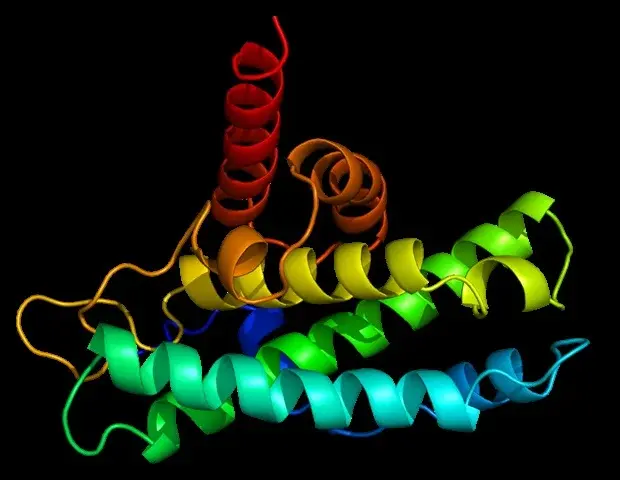
Researchers at the University of Fukui have identified a connection between a missing brain protein and behaviors resembling attention-deficit/hyperactivity dis

Constant phone calls, threatening letters and relentless reminders about unpaid bills dominate the lives of millions of Americans, creating a hidden crisis that

Sherry Hamby's new book, *Stronger Than You Think*, released this spring, challenges the popular notion that resilience is an innate trait. Drawing on psycholog

People attending free seated exercise classes and laughing yoga have reported notable improvements in both physical and mental health. The non‑profit group Laug

Vulnerable adolescents across the United Kingdom are increasingly unable to access essential mental health support, a recent University of Cambridge study revea

Researchers are exploring how deep-seated emotional systems influence our susceptibility to loneliness. A recent study examines the link between neurobiological